Thursday, December 10, 2015

Uncertain Health in an Insecure World – 67


Golden Fleece


In Greek mythology, soon after his birth, Jason’s life was under threat. His mother Alcimede smuggled him to Mount Pelion, where he was raised by the centaur, Chiron, a trainer of heroes. Once grown, a band of 85 men, the Argonauts, accompanied Jason on his quest to steal the Golden Fleece. Their ship, the Argo, sailed to Colchis where the Golden Fleece (below) was guarded by a dragon. The goddess Hera protected Jason and the Argonauts during their long & perilous journey. In the end, Jason was successful; he returned to Thessaly to ascend the throne of Iolcus.


As in ancient Greece, in modern times, seeking the Golden Fleece is a long & perilous journey.

With increasing digitization of the healthcare ecosystem, electronic health records (EHR) must become mobile to follow the flow of patient care. But healthcare has lagged behind other industries in the use of web technologies. Rob Brull of Carepoint Health in Dallas notes that, “Healthcare has relied on integrating the healthcare enterprise (IHE) and simple object access protocol (SOAP) for (data) transport, which can be cumbersome.” After 20 long years and several versions, Health Level 7 (HL7; below) emerged as the healthcare data exchange and information content modeling standard.


Now, having reached its destination, HL7 remains landlocked. What’s next?

Fast Healthcare Interoperability Resources (FIHR, pronounced “fire”) are new specifications and standards for electronically exchanging healthcare information, based on web industry approaches. This data exchange architecture, spearheaded by Australian software developer Graham Grieve (below) in 2013, is intended to reduce healthcare information technology (HIT) bottlenecks and to offer more granular data access – to achieve true HIT interoperability. Eventually, FHIR will support automated clinical decision-making and other machine-based structured data processing.


FHIR is mapping the uncharted waters of HIT mobility.

FHIR has developed built-in mechanisms for traceability to the HL7 Reference Information Model (RIM), and to other content models. RIM is a large pictorial representation of HL7 (Version 3) clinical data domains that identifies the life cycle of a message or of message groupings. Brull adds, “FHIR uses Representational State Transfer (REST) web API’s. It is more lightweight.” 

REST-ful or not, just what are API’s?

Virtually all software has to request other software to do something for it. Application program interfaces (API’s) are a set of routines, protocols and tools for building software applications. API’s specify how software components should interact, and are used when programming graphical user interface (GUI) components. An ‘asking’ software program uses a standardized set of API requests that have been pre-defined for the ‘answering’ program. In this way, an API grants access to or opens another application (below).


Josh Walker of the Forrester Research Inc. in Cambridge Massachusetts says that, today, building an application without API’s is “basically like building a house with no doors… (API ) is how you open the blinds and the doors and exchange information” through them.


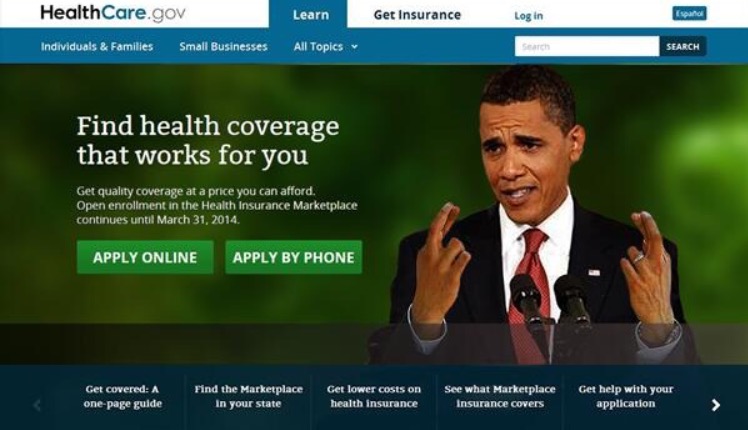
HIT typically confuses the system of record (which is stable and massive) from the systems of consumption (which are more malleable and smaller). According to former Obama Administration Chief Technology Officer, Aneesh Chopra (above), the processing of these differing types of information requires a lot of “handshakes and handoffs”. Back in olden times (2010), the U.S. government had no solutions for people shopping for healthcare plans. Aneesh recalls that he turned to the private sector to avert a failed launch of Obamacare’s Healthcare.gov 1.0 website, hiring Ed Mullen (below), a user interface (UI) web design guru from New Jersey, to come to the rescue.


API’s are featured in the Accountable Care Act (i.e., Obamacare) 2015 final rule on healthcare exchange standards for employers, in order to assure that patients have the right to access their personal health information (PHI) and to connect to their PHI using an app of their choice from an app gallery. The U.S. government’s April letter to insurers in the federally-facilitated marketplace (FFM) sets forth a requirement to have a website with an API connection to the FFM, as an alternative to patient portals. This connection flexibly opens up the electronic healthcare system for individuals using mobile devices, or by those using machines with patient permission.

Such specifications are consistent with Obamacare’s stage-3 EHR healthcare system adoption and certification criteria.

These days, innovative start-ups like Stride Health use the government's own data to help employees search for the most cost-effective healthcare insurance plan, one that fits them, in five minutes or less!  Instead of saying to employees, “Here’s the URL to Healthcare.gov… Atta-boy,” ever-entrepreneurial Uber has partnered with Stride Health to help their drivers choose the best healthcare plans, and save them money (below).


JASON is an independent group of scientists and Nobel laureates, thought leaders who advise the U.S. government on science and technology. One of JASON’s goals is to promote public policies that create an open, interoperable health data infrastructure. JASON’s roots in the Viet Nam War and nuclear proliferation eras once created a close linkage to DARPA. But in its recent 2013-14 reports, JASON decries the lack of EHR interoperability in the current HIT ecosystem, and advocates for policy changes to adopt a new architecture in the U.S. and international EHR meaningful use requirements for healthcare systems.

Enter the modern day heroes…


The Argonaut Project is a private sector initiative intended to rapidly advance industry-wide adoption of modern open interoperability standards. This market-driven core and documentation project is sponsored by modern HIT Argonauts – healthcare insurers, EHR vendors, healthcare systems, major consulting firms and pharmacy distributors. Their quest is to rapidly develop a first-generation FHIR-based API and core data services specification that will enable expanded healthcare information sharing for EHR’s and other HIT’s, based on Internet security standards and architectural patterns & styles.

How will Google or Apple get involved in the guidance of care in chronic diseases, where disease complexity & diversity makes the chances of precision medicine accuracy low?

The combination of FHIR for simple content summaries (encoded using extensible markup language, XML) and REST standards for data transport would bring HIT into alignment with more modern web services approaches used by companies such as Facebook, Yahoo and Google. In the end, as noted by Arien Malec at McKesson’s RelayHealth, “to expose a medication list to authorized parties, the current systems are not designed to do that, and it takes a lot of extra work.” Malec’s good use case example would be to offer mobile app developers access to patient data. “If you are going to do that using FHIR it’s going to be cheaper, faster and better that rolling your own.


The Substitute Medical Applications Reusable Technologies (SMART) collaboration between Harvard and the U.S. Office of the National Coordinator (ONC) for HIT is actively creating an API for substitutable health apps that can run across multiple EHR’s. ‘SMART-on-FHIR’ is a prototype developed to support FHIR’s potential for providing a robust open-architecture health API.

Like ancient explorers, “information altruists” are more likely to openly share their PHI. But if this increases the cost of an insured pool of employees for an employer, it could cost these adventuresome adopters their jobs.

A recent Kaiser-Permanente member survey revealed that 60% would give up some health information privacy if it improved their healthcare. In Amy Edgar’s Robert Wood Johnson Foundation sponsored @FlipTheClinic project, the July 2015 ‘Flip 55’ showed that 16 consecutive patients answered that they did want their hospital EHR discharge summaries sent to them, while 2/3rds of stage-1 EHR adopters stated that nobody asked for or wanted their discharge summaries.


Another disruptive technology disconnect!

Digital Health Advisors” will soon function (via API’s) as trusted navigators to the right healthcare in the right setting at the right time.

Mapping a myth is complicated.


While Greek history scholars agree on the Argonauts' route from Greece to Colchis (green), their return route (orange) has been the subject of a bewildering array of interpretations… of geography... of lost languages… all clouded by fear and ignorance.

We in the Square have long followed the mythic journey of interoperable health information technology. We’ll worry about the route back after we’re there. 

The Golden Fleece is finally within reach… Beware the dragon!  


Wednesday, December 2, 2015

Uncertain Health in an Insecure World – 66


“Stall Point”


Like the AirAsia flight 8501 that crashed last December into the Java Sea, fixed wing aircraft lose lift when climbing skyward too quickly.


Companies confronting a sudden business growth plateau are also said to have hit a “stall point”. Harvard Business Review studies of stalled Fortune 500 firms – good companies like 3M, Apple, Caterpillar, Levi Strauss and Daimler-Benz – show that the root causes are both knowable and preventable. Most such stalls are caused by management’s bad strategy choices and/or poor organizational design. What 1950's economist Joseph Schumpter called the “gales of creative destruction” can easily sink weaker companies, like the Uber Effect tanked the value of New York City Taxi medallions (below).


But is there an innovation stall point?


Eastman Kodak (est. 1888, above) is a business school case study on how not to manage an innovation pipeline. Whether through arrogance or ignorance, the Rochester New York global leader in film-based photography technology failed to commercialize digital photography. Kodak stalled, filing for bankruptcy protection in January 2012. Ironically, photo-sharing app company Instagram was sold in 2012 for US$1B to Facebook. Activist investors second-guessed Instagram’s CEO Kevin Systrom (below) when just eighteen months after his deal with Mark Zuckerberg, the company’s value was estimated at >US$5B.


Innovation is fast becoming an ennui-provoking buzzword.

As a perfect economic storm was brewing in the mid-1990’s, Harvard’s Clayton Christensen’s wrote The Innovator’s Dilemma, advancing the (then) novel management theory of disruptive innovation. Christensen’s disruptive innovation construct helped to explain the failure of respected and (once) well-managed companies.

Clay’s theory has since been much touted, and widely misquoted. 

Recently, his big idea has been called into question in the press and by scholars for being overly simplistic and too one-size-fits-all. One Christensen premise criticized by The New Yorker writer Jill Lepore (The Disruption Machine, June 23, 2014) is “disrupt or be disrupted,” the cliché kernel seized upon by Silicon Valley “upstarts who work at startups.”

If business theories are debatable, and innovation is ubiquitous, where is reality?


The U.S. National Oceanic and Atmospheric Administration (NOAA) satellites and harbor buoys capture gobs of real weather data to feed predictive analytics. I’ve watched scientists at U.S. Department of Energy’s Oak Ridge National Labs in Tennessee (above) manipulate weather forecasting models with Titan supercomputers to simulate global weather patterns and future bad events. TV’s The Weather Channel (TWC) accesses public versions of these big NOAA datasets and complex computer models, converting them into customer-friendly multi-media local marketing products (below).


Brilliant!

TWC’s parent, The Weather Company, processes 100 gigabytes of big data daily. In April 2015, IBM partnered with NOAA to provide cloud-enabled weather forecasting and climate change models to its customers… data scientists, business professionals and software developers. Drug companies and pharmacies already rely on these weather models to predict when to increase the production of anti-allergy medications. On October 28, 2015, IBM purchased The Weather Company (below), including all of its digital assets and apps… everything except for The Weather Channel!


Innovation only matters if its benefits become widely accessible.

Henry Ford’s 1913 Michigan model-T auto assembly line improved production efficiency from >12 to 1½ hours per car, making driving available to the masses. Eventually, the rest of the U.S. and global auto industry caught up. Now Ford produces cars in Russia, China, India, Brazil, Romania and Thailand.

Since 1925, Bell Labs’ scientists have completely transformed global communications. Despite the U.S. government breakup of AT&T’s monopoly (1984), Bell Labs acquisition by Lucent (1996), and their merger with Alcatel (2007), Bell’s so-called Idea Factory has never stopped producing ideas.

Sure, there were stalls along the way. But we have all been forever changed by Ford and Bell Labs ideas.

In 1914, Thomas J. Watson joined the firm he later led and renamed International Business Machines (IBM, est. 1924). Watson’s IBM built its reputation on mainframe computing hardware and software. At a November 2015 healthcare innovation summit in Boston, an IBM executive described their new cognitive computing technology – Watson – as “The Weather Channel for the internet of things (IoT).” Today, IBM is thinking big about cloud computing… and Big Blue wants to be your IoT company.


However, last week at an IBM Watson Health advisory board meeting, this “really, really, really cool” technology that learns by reading the scientific literature, singing Bob Dylan, scanning medical images and collating personal genomics data, seemed stalled! IBM Watson’s health utilities are still prototypes – minimum viable products (above) – without a broad customer base. Sitting in lower Manhattan with big pharma & healthcare VP’s, patient advocates & physicians, and IBM programmers & marketers, the board struggled to triangulate Watson’s health value. At day’s end, we concluded that Watson was more of a “disruptive technology” than a commercial product.

This distinction – between innovation and disruptive technology – is important.

Disruptive technologies are breakthroughs that change the way people live. If Watson can truly enable the interface of EPIC’s electronic health record with CVS’ pharmacy database with Medtronic’s structured & unstructured medical device data flow, its relational insights will improve patient care and outcomes. Watson could become especially powerful in partnership with big pharma companies like Johnson & Johnson in treating chronic diseases that require daily decisions involving patients’ little data from wearable tech sensors like the Apple Watch (below).


Simplifying, life-enabling information – the equivalent of whether or not to bring an umbrella based on computer modeled local rain chances – quickly weaves itself into the fabric of day-to-day life.

The Galapagos Archipelago is a unique Pacific coast ecosystem, centuries in the making. In the absence of natural predators, species evolve slowly – evolve or fail – and outsiders provoke no fear. As the endangered booby bird dives (below), deftly pivots its wings and stalls onto the rocky shore, adaptation is evident. 


The foggy north Pacific basin called Silicon Valley is another unique ecosystem, one formed over just 50 years. With intense startup competition for risky funding, and “fail fast” fears driving a ruthless urgency among its entrepreneurial inhabitants, wise objects are evident in the channel.

Despite global pressures for speciation and innovation, sadly, neither of these ecosystems can be reproduced elsewhere in the world.

Disruptive technologies survive the natural rise and fall of such ecosystems, and man-made business theories. And like a single species, solo companies can no longer be counted upon to achieve creative disruption.

For lesser innovators, the dilemma, the ultimate stall… extinction… lurks!

In the Square, we choose to parse such distinctions. And if clever innovative ruses can no longer change human reality, then the two terms should not be confused. 


Wednesday, November 18, 2015

Uncertain Health in an Insecure World – 65


Urgency


There is no human disease more feared than cancer in kids.

And among pediatric oncologists, there is no cancer more feared than childhood acute lymphoblastic leukemia (ALL). A rare disease, ALL affects 3,000 young persons in the U.S. annually, often beginning with fever and bruising, but quickly turning fatal if not aggressively treated at a specialized children’s hospital. After a bone marrow aspiration confirms the diagnosis, treatment involves complex chemotherapy, irradiation and stem cell transplant regimens. A shared sense of urgency to improve childhood leukemia mortality has created novel ALL therapies, which have turned around its poor prognosis into 98% remission and 90% ten-year survival rates at leading pediatric cancer centers.


Researchers are now borrowing upon this pediatric oncology urgency to promote precision medicine (PM) in other diseases.


Some ALL patients have the Philadelphia chromosome mutation (above), described in 1960 by Peter Nowell and David Hungerford at the University of Pennsylvania (below), who made the first direct link between a chromosomal abnormality and any malignancy. Recent research from the U.S. Pediatric Genome Project shows other gene mutations in the most deadly ALL subtype, early T-cell precursor (ETP), which may direct future PM tailored therapies.


Bert Vogelstein’s 2013 Science article describes the “march of mutations” through a genomic landscape which is the backdrop to the most common human cancers. Its “mountains” are genes altered in a high percentage of tumors (below), while the “hills” are infrequently altered genes. Over 140 cancer driver gene mutations have been described, with tumors typically expressing between two to eight such genes responsible for cell death, cell survival and healthy genome maintenance. Vogelstein’s construct of the diverse cancer genome is fostering the development of precisely targeted therapies.


In Boston last week, Siddhartha Muhkerjee (below), the author of The Emperor of All Maladies: A Biography of Cancer, spoke of his acute leukemia experiences as a pediatric cancer physician. He described how the human body “slouches towards cancer”, from one gene mutation to another. At a cellular level, even seemingly similar cancers differ from every other cancer in terms of their genetics and cell metabolism.


Fair warning from Sid – cancer biology is complex.

It includes organismal features – the physiology that keeps cancer cells alive; environmental features – the immunologic systems causing cancer cell destruction; and epigenetic features – the mechanisms that control cancer gene transcription into messenger RNA (mRNA).

Cancer is a “pathway disease.


Along the path to cancer (above), there are multiple switches opening and shutting cellular circuitry that largely exists like a massive iceberg below the water surface. New therapies must precisely target this submerged iceberg using personalized medicine approaches that are actionable.

Endogenous cellular sources of oxidative DNA damage via base pair and nucleotide excision – so-called single nucleotide polymorphisms or SNP’s – cause gene toxicity (i.e., genotoxicity) by inducing mutations in tumor-causing oncogenes and in tumor suppression genes. Exogenous viruses and chemical carcinogens can also promote mutations. 


The WHO’s International Agency for Research on Cancer (IARC, est. 1969) maintains a database on genotoxic and non-genotoxic carcinogens. Most carcinogens are also mutagens (i.e., changing human DNA). Of >900 likely candidates, some 100+ are classified by IARC as carcinogenic to humans. Because it takes years or decades for exposure to a carcinogen to cause cancer, making such cause & effect linkages can be complex. Landfills are quickly filling up with heavy metals and toxic chemicals that now permeate our ground water. But the last new human carcinogen was described >15 years ago, and only pre-natal ionizing radiation has been identified as a risk for ALL. 
  
Cells can be drugs, engineered and educated to attach to tumors and other benign diseases.


Synthetic biology can endow immune cells with new properties for treating ALL, and offers potential for treating some solid tumors. The widespread mutational burden of some diseases is a key to the success of a new class of immunotherapies called checkpoint inhibitors. Activated T-lymphocyes (T-cells) trying to kill tumor cells are neutralized when they attach to specific T-cell PD-1 or tumor cell PD-L1 receptors (above). This T-cell deactivation is prevented by the binding (below) of checkpoint inhibitors (i.e. Opdivo™ and Yervoy™ from Bristol Myers Squibb; Keytruda™ from Merck Sharp & Dohme), which have been effective in deadly metastatic melanoma, renal carcinoma and some lung cancers. It is feasible that similar approaches will work in the benign disease space and be used for tissue engineering.


Personalized medicine demands such precision.  
  
PM will not succeed if it is based on “n of 1” clinical trials. New drugs can only move forward into clinical use after phase-1/-2 safety studies are completed. The gold standard for phase-3 randomized clinical trial (RCT) informed treatment protocols is to balance therapeutic and toxic effects encountered in the average RCT study subject. But every cancer in every cancer patient is unique, so new “smart surrogate” clinical trials will be needed. PM-informed biological endpoints will replace standard RCT survival rates. So-called “basket trials” of regular cancer therapy plus T-cell activating/suppressing immunotherapy adjuvants are being designed.

Such molecularly-informed drug trials should always be guided by good clinical medicine.


The Roche Group acquired the remaining 40% of Genentech in 2009 for US$46.8B. On November 10, 2015 the FDA approved Cotellic™ (Roche-Genentech) for the treatment of BRAF V600E or V600K mutation-positive advanced melanoma (below), in combination with Zelboraf™. The phase-3 coBRIM study, started in 2012, combined Cotellic’s inhibition of MEK (a protein kinase like that above, phosphorylates the ERK gene regulating programmed cell death) and Zelboraf’s BRAF (a proto-oncogene making B-Raf protein that directs cell growth) in order to delay the onset of tumor resistance seen after BRAF inhibition alone. The endpoint used in this gene-targeted PM regimen was progression-free survival.


It worked!

Today, Roche-Genentech has >20 anti-cancer molecules (i.e., drugs) in its pipeline, and is committed to the treatment of children.

PM approaches are urgently needed for all cancers.


In July 2015, the National Cancer Institute (NCI) Molecular Analysis for Therapy Choice (MATCH) launched a nationwide phase-2 clinical trial to sequence the tumor biopsies of 3,000 patients, and match findings against a 143 cancer driver gene panel. NCI-MATCH (above) will bring diverse Big Pharma companies (including some that haven’t yet completed M&A transactions!; see post #63) together in PM-directed sub-studies to jointly develop novel clinical treatment protocols involving their otherwise proprietary blockbuster drugs.

We in the Square are heartened by all this urgency, and by the coming together of market competitors to extend the lives of our patients, not just their drug patents.

Thursday, November 12, 2015

Uncertain Health in an Insecure World – 64


Either Good or Bad


In Act 2 Scene 2 of Hamlet, the Prince of Denmark laments to his spies, Guldenstern and Rosencrantz, that “… there is nothing either good or bad, but that thinking makes it so.” This statement, the fourteenth century equivalent of the modern, “Psych!”, revealed a Hamlet deeply troubled by murder, incest and ghosts in the Danish royal family. He adapts to all these negatives by putting on a mask of “antic disposition” – feigning madness as he walks the corridors of Elsinore castle.


Not so long ago, in his 2012 book Bad Pharma, author Ben Goldacre (below) nobly took on medical journal publication bias towards studies with “positive” results over those with “negative” outcomes. Former U.S. Food & Drug Administration (FDA) official Henry Miller responded to Goldacre’s angry antics, correctly pointing out that many negative studies are simply statistically underpowered – as such, they should best be called “unsuccessful” or “inconclusive”.


A truly negative clinical trial is one that shows a new treatment is actually inferior to standard therapy. In fact, the FDA often approves new drugs on the basis of non-inferiority compared to a standard treatment. Of course, an underpowered study that demonstrates non-inferiority might actually prove to be negative if adequately powered to conclusively disprove the null hypothesis (i.e., that a new drug is the same as a standard drug or a placebo). 

Goldacre’s book and medical literature meta-analyses provoked a lot of soul searching in the research and regulatory sectors.


For example, a 2012 Nature article showed that the results of 47 of 53 published molecular biology papers couldn’t be reproduced by another scientist. The following year, Nature.com noted that half of all clinical trials go unpublished and many omit key details, despite U.S. FDA rules requiring all results be submitted to the https://ClinicalTrials.gov database (above).  A recent New England Journal of Medicine article (March 12, 2015) by Duke University investigators showed that only 13.4% of >200,000 clinical trials reported since 2000 published summary data within one year of completion. Two-thirds of these studies were funded by industry; industry funding increased the likelihood of timely reporting. 

Has any of this existential angst about publications changed practice at the point-of-care?

When medical practitioners use new drugs to treat chronic diseases – infections, diabetes, hypertension, arthritis and cancer – they experience responses in their clinic patients (below) that are not the same as those in clinical trial subjects. Why? Because clinical trials are highly managed protocols carried out on carefully selected cohorts, they may not predict the responses of patients who are less adherent and more heterogeneous.


Before becoming generic in 2012, some 50,000,000 Americans had used the anti-platelet drug clopidogrel (Plavix™) for cardiovascular illnesses at an average cost of $200 per month. Since 2008, the FDA has monitored the value of dual anti-platelet therapy (DAPT) with both aspirin and clopidogrel after drug-eluting stents are placed in blocked coronary arteries. Last week, an FDA meta-analysis of multiple clinical trials concluded that DAPT, “does not save lives, reduce heart attacks, or result in lower risk of stent thrombosis.” Such FDA-mandated post-marketing surveillance in general populations often causes early enthusiasm based on randomized clinical trials (RCT’s) to wane. This late-breaking medical news makes patients, like my mother who nearly bled out on DAPT, MAD!

Today, there is nothing “rotten in the state of Denmark”, a modern Nordic country of some 5,678,348 souls.

Denmark is home to a global diabetes pharmaceutical giant, Novo Nordisk (NVO), headquartered in Bagsværd. Although the prevalence of diabetes in Denmark is low (above) and less than that in Europe (52M) and around the world (387M) – this 90-year old company has intentionally focused its R&D efforts on diabetes care. Its long-acting insulin, Levemir™, has been a big seller. In late September 2015 (below), the FDA approved NVO’s longer-acting Tresiba™, after “head-to-head” studies versus Sanofi’s market leader that showed Tresiba™ was non-inferior to Lantus™.


Another progressive Denmark-based firm, Genomic Expression, is becoming a first-mover in the field of companion diagnostics by making RNA sequencing (OneRNA™) gene expression targets actionable in oncology patients. In addition to high initial cancer therapy failure rates, the inconvenient truth is that only one in four current cancer treatments prolong life. OneRNA™ is a precision medicine (PM) approach that identifies a positive chance of treatment response in triple-negative breast cancer and other diseases.

Full disclosure – I have brilliant professional colleagues who work at both of these highly progressive Danish firms.


On the verge of despair amid negative and/or irreproducible RCT’s, in July 2015 along comes The Economist’s brilliant data shop with a clinical trial simulator www.alltrials.net  This interactive "run a trial" exercise (above) makes the point that there is a critical need to fix a situation where only regulators see all the good and bad data (below, left). The selective publication of only positive clinical trial results is highly flawed (below, right). When doctors only see what under-reporting Big Pharma and clinical trialists want them to see, there is a 14.1% distortion!


To be or not to be?… that is the question.” Patients need to stop flying blind related to the applicability of RCT’s to their healthcare. 

What Institute for Systems Biology founder Roy Hood calls “dense dynamic personalized data clouds” offer the potential for individualized PM, instead of relying on averaged data responses from RCT patient cohorts. In the wake of 2012’s rotten revelations, it will be good when “N of 1” data-driven PM care trumps that based on notoriously underpowered and inconclusive clinical trials. 

So when it comes to, “the heart-ache, and the thousand natural shocks that flesh is heir to…”, here’s “the rub...

Unlike Hamlet, who was unable to escape “the many confines, wards, and dungeons” of Denmark, we in the Square think it good to face such real-world clinical drug trial ambiguities, then shuffle them off from our medical practice thoughts and troubled treatment failure dreams. 

Anything else is antics, amid a modern Shakespearean tragedy.


Tuesday, November 3, 2015

Uncertain Health in an Insecure World – 63


“Too Big to Fail?”


On Halloween eve 2015, the U.S. Federal Reserve proposed that the banks "too big to fail" in 2008 set aside billions in long-term debt reserves as a cushion against scary financial failures.These same banks were saved 7 years ago by the government to protect the longer term public interests.


Until the Fed’s latest spooky move is ratified, the big U.S. banks and large global banks’ U.S. subsidiaries must demonstrate that they can pass annual “stress tests” and write “living wills” stating how they would safely be wound down in the process of restructuring. If there’s a complete bank failure, their bondholders, not the taxpayers, would be on the hook.

So, while this financial sector has dramatically concentrated since 2008, it is also heavily regulated to protect the public interests.

What, and who, regulates the healthcare and big pharma sector?


Also on Halloween eve 2015 came scary news that the tenth largest U.S. company, Pfizer, was seeking a merger with Irish Botox and Restasis maker, Allergan PLC. It would be the biggest market cap combo of an already big year (US$216B + US$113B) – a blockbuster deal for two blockbuster drug makers! Pfizer revenues have been declining since cholesterol-lowering Lipitor came off patent protection in 2011. But its >80 pipeline drugs and new products for breast cancer (Ibrance) and blood clots (Eliquis) are signals of pent up growth.

High U.S. corporate taxes are the main reason for Pfizer-Allergan merger & acquisition talks.


The effective tax rate for Pfizer is 25%, while Allergan’s rate is 15%. Pfizer CEO Ian Read (above) says that Pfizer is competing against foreign companies “with one hand tied behind our back”. Mr. Read has called U.S. tax rates “highly disadvantageous to American multinational high-tech businesses.” The proposed deal would move Pfizer headquarters from New York (below) to Dublin, and likely cost many U.S. jobs.


Recognizing their tax problem, last year Pfizer attempted a “tax inversion” takeover of U.K. based AstraZeneca PLC. The move was blocked by AZ’s board in the face of intense U.K. political opposition. The capacity of U.S. drug companies to get around the current tax regulations requires certain conditions be met – shareholders of the newly created overseas entity must own >40% of the combined entity. This makes the only remaining hurdle the price of shares involved in the transaction: on Oct. 29, 2015, Pfizer shares (PFE, below left) closed below $35 and Allergan shares (ACT) traded above $310 (below right).


The math isn’t the only thing getting harder for the Viagra-maker.  
   
In March 2015, Allergan successfully competed with Quebec-based Valeant Pharmaceuticals for the purchase of California-based Actavis, but only after Actavis pulled off a “white knight” purchase of Allergan. Allergan revenues grew this year by an estimated 10%, despite selling its generic drug business to Israel’s Teva for US$40.5B.

While such big pharma M&A activity raises share prices, this hyperactivity is breeding contempt.


For example, Valeant has grown by voraciously acquiring 150 mature off-patent drug companies since 2008, then using its specialty pharmacies to increase drug prices by 200-500% (above), abruptly inflating its sales revenues. Pfizer CEO Read called Valeant’s acquisitive business model a non-sustainable “dead end” for new drug R&D. But Valeant has handsomely rewarded Wall Street investment banks >US$500M since 2012 to close its M&A deals.

Only GE, Allergan, AT&T and Dell Inc. have paid more Wall Street fees than Valeant since 2012!


One major Valeant shareholder, Bill Ackman (above), is also founder and CEO of the hedge fund Pershing Square Capital Management. His investor-oriented point-of-view recently saw him characterize Valeant as “a very early stage Berkshire Hathaway”, based on its aggressive M&A style. Last week, a disruptive report from short-selling Citron Research called Valeant “the pharmaceutical Enron”. Others have called Valeant “a conglomerate”, like ITT Corp., implying that it should be forced to split itself up. To avoid this, Valeant began “severing all ties” with some of its specialty pharmacies like Philidor Rx Services. In nearly the same breath, Ackman spoke of joining forces with Amazon CEO Jeff Bezos to spawn mail order services, touting that “specialty pharmacy is the future of the industry.”


Valeant CEO Mike Pearson (above), an American running the company from its north Montreal headquarters, has been staying quiet since 2014 when Ackman outed him as a billionaire, based on the fact that Pearson owned 10.6 million Valeant shares (VRX). Ackman has also lauded the business synergy between senior management’s shareholdings and the company’s long-term share price performance.

But for most Valeant investors, this kind of bottom line alignment does not remove their risk.


There is no golden parachute for Valeant’s common shareholders, who have seen share prices drop 40% in the last week (above), reminding Canadian investors of the collapse of R.I.M./Blackberry Ltd. (2012-2013) and bankruptcy of Nortel Networks Corp. (2009). Pershing Square Capital has already seen $1.5 B in paper losses from Valeant in 2015. Citron Research just projected that there is a real risk of Valeant shares going to US$0. Quebec’s Authorité des Marches Financiers regulators are investigating “worrisome” allegations. 

Whatever the currency exchange rates, US$0 and CDN$0 are the same price per share.
        
Is it any wonder that current public sentiment towards the big pharma sector is so negative?


One observer commented that they should “run before the torches and pitchforks show up.” Of course, U.S. presidential candidates like Hillary Clinton are joining the fray, with her spokesperson saying “there is a lot more work to be done to stop them”. Donald Trump believes that Pfizer’s move is just another reason to overhaul to the U.S. tax code, “so companies will be coming to America, not looking for ways to leave.”  Well before the recent Valeant “phantom sales” scandal, U.S. presidential candidate Bernie Sanders (below) began a government investigation of the company’s extreme price hikes.


According to Thomson Reuters, the accelerated 2015 rate of healthcare and pharma sector M&A has already set a historical high of US$448B! Last week, other major market-changing deals saw Walgreens Boots Alliance Inc. purchase Rite Aid Corp. (below), while health insurers Aetna and Humana Inc. merged, as did Anthem Inc. and Cigna Corp.


These big pharma and healthcare sector M&A’s raise big questions.

       Do these deals stimulate economies, or simply churn the public markets and cost jobs?
       
Does the U.S. need to build a Trump-like tax wall to protect this business sector?
       
Is it time for greater government regulation to prevent more conglomeration?
      
The public wants affordable drug prices, and resents price gouging behaviors. Patients benefit from new blockbuster drugs that require expensive R&D. There will never be a national Viagra or Botox or Liptor or Restasis shortage crisis severe enough to require direct government funds infusion. 

But what and who protect the long term public interests amid such M&A hyperactivity?

The what is markets that punish deceptive behaviors out of bounds with regulations, and reward creativity in business practices within the rules.

The who is the regulators and policymakers. Unfortunately, these market controllers take time to connect the dots, and may be swayed by perverse incentives to look the other way.  

We in the Square know that company failure is natural selection in the business world. And just like in bad Halloween movies, bad CEO's should be the serial ax murderer's first victims.